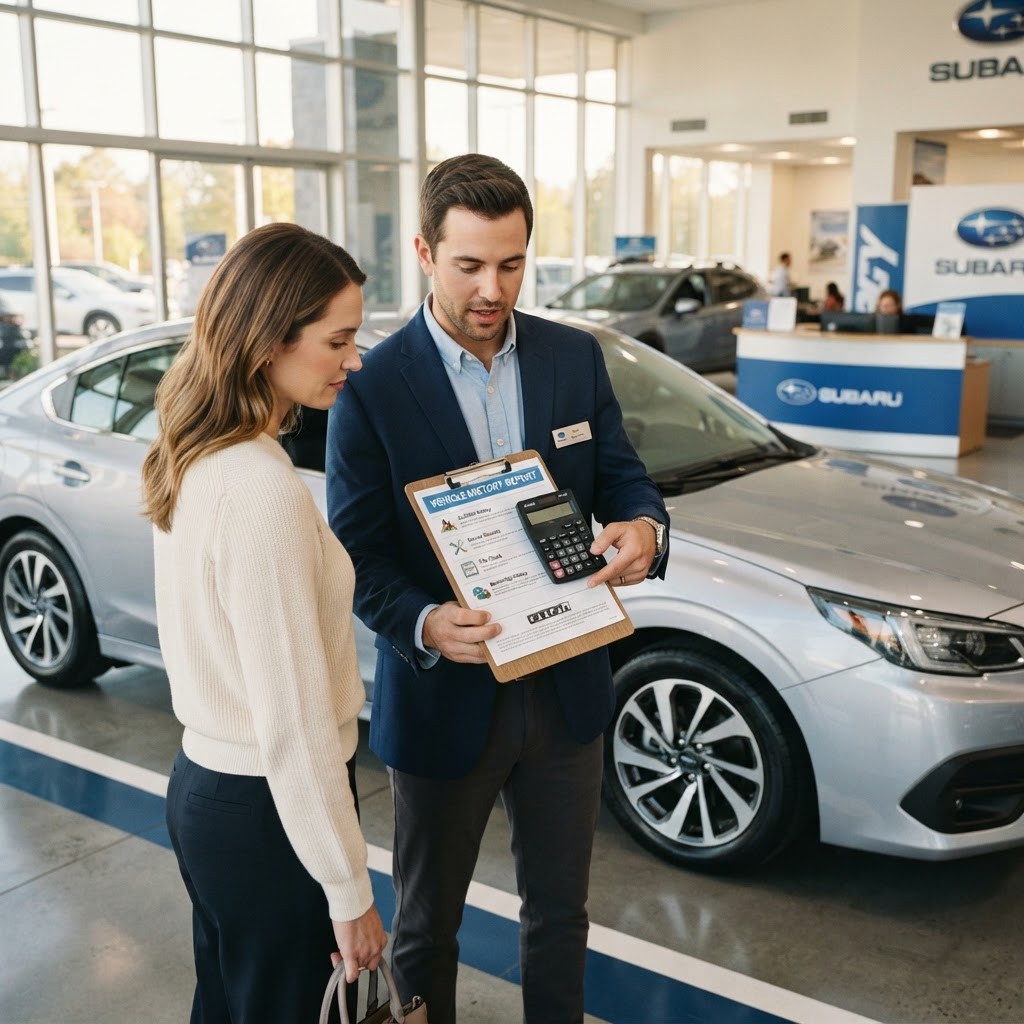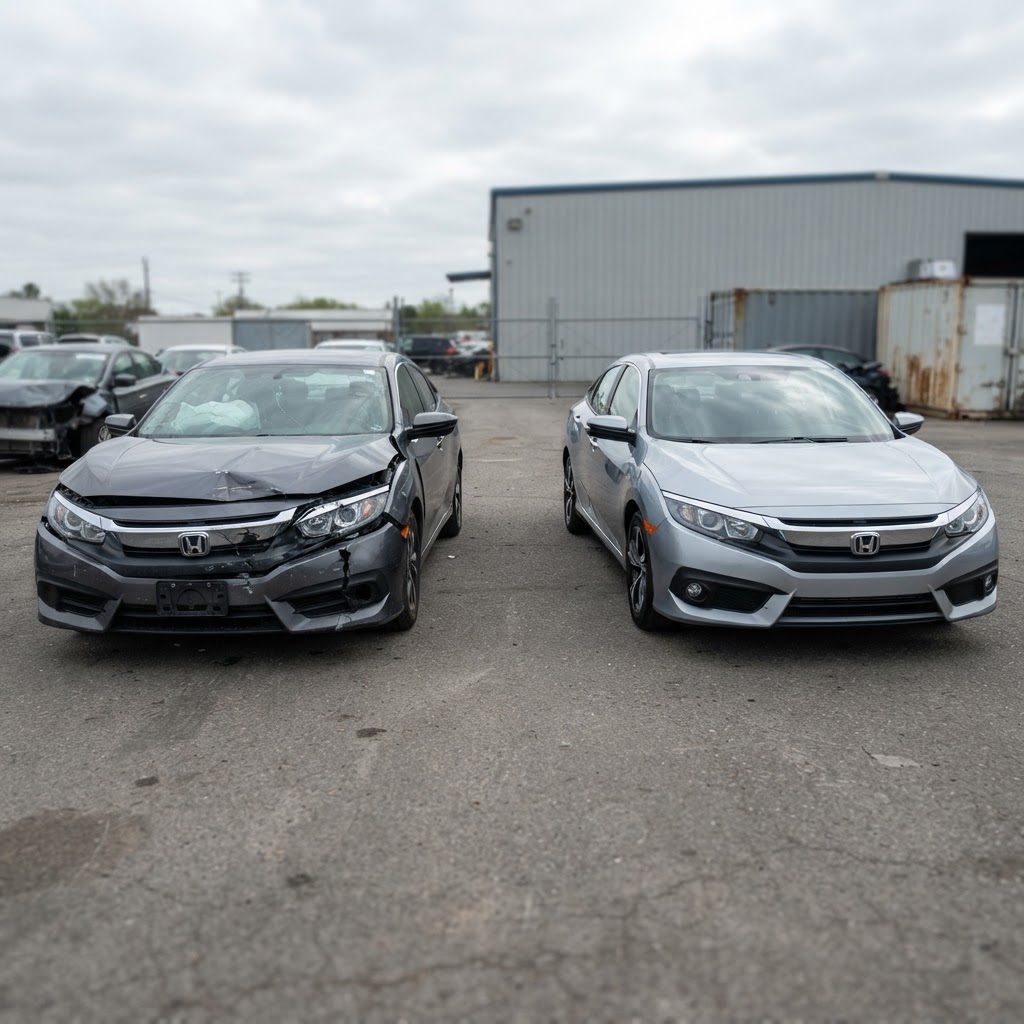
Why Most Used Car Buyers Get It Wrong
1 in 4 used vehicles in the US has a hidden problem that the seller either doesn't disclose or doesn't know about. Salvage titles re-registered across state lines, odometers rolled back, frame damage repaired with filler — these aren't rare edge cases. They're common enough that one in four cars you view this weekend may have something wrong with its history.
The five checks below cost a fraction of what the mistakes cost. Do all of them, in order, before you hand over any money.
1. Run a VIN History Report (The One Most People Skip)
This is the non-negotiable first step, and the one most buyers skip because they don't know it exists or think it's expensive. It's $7.99.
A VIN history report from VINCheck USA pulls data from NMVTIS — the federal database maintained by the U.S. Department of Justice — plus insurance claim records, theft registries, and odometer readings across all 50 states. It tells you:
- Whether the vehicle was ever in a recorded accident
- Whether it carries a salvage, flood, rebuilt, or lemon law buyback title
- Whether it's been reported stolen
- Whether the odometer readings are consistent with reported history
- Whether it has open NHTSA safety recalls
Run this before you arrange a viewing. If the report shows a salvage title or serious accident history, you save yourself the trip.
2. Get a Pre-Purchase Inspection
A VIN report tells you the documented history. A pre-purchase inspection (PPI) from an independent mechanic tells you the current mechanical condition. These two checks complement each other — one covers what happened in the past, the other covers what's happening now.
Cost: $100–$150 at most independent garages. What it covers:
- Structural integrity and frame inspection
- Engine compression and oil condition
- Brake wear and pad depth
- Suspension components and tyre wear patterns
- Transmission response and fluid condition
- Evidence of unreported accident repairs (paint matching, panel gaps)
If a seller refuses to allow an independent inspection, treat that as an immediate red flag. Walk away.
3. Check Price vs Market Value
A price that's too low is often a warning sign. Compare the asking price against:
- Kelley Blue Book (kbb.com) — the industry standard for US used car values
- Edmunds (edmunds.com) — often has more granular regional data
- Similar listings — search AutoTrader or Cars.com for comparable year/make/model/mileage in your area
If the car is priced 15%+ below market rate with no obvious explanation (high mileage, age, obvious cosmetic damage), ask why. The answer might be a salvage title, a known mechanical issue, or desperation — all of which warrant more scrutiny.
4. Verify Ownership History and Mileage Consistency
Your VIN report will show ownership records and odometer readings over time. Look for:
- Too many owners — 3+ owners in 5 years suggests repeated problems that each owner gave up on
- Odometer inconsistency — mileage that goes down between reported readings is a clear fraud indicator
- Geographic gaps — a car titled in three different states in two years may have been involved in title washing
- Long periods of inactivity — gaps in registration history can indicate the vehicle was off the road (and why?)
5. Test Drive Checklist
No check replaces actually driving the vehicle. During your test drive, specifically evaluate:
- Cold start behaviour — meet early morning, before the engine warms up. Smoke or rough idling on a cold start indicates engine wear.
- Straight-line tracking — does the car pull left or right? This can indicate alignment issues, frame damage, or uneven tyre wear.
- Brake feel — brakes should be firm and progressive. Sponginess suggests air in the lines or worn pads.
- Transmission shifts — automatics should shift smoothly. Jerks, hesitation, or delays indicate gearbox issues.
- Strange noises — drive over speed bumps at low speed to identify suspension knocks. Turn full lock both ways to check for CV joint clicking.
- Dashboard warning lights — all lights should illuminate briefly on startup, then extinguish. Any remaining lights need explanation.
Do All Five — Not Just One
Each check catches different problems. The VIN report catches documented history; the PPI catches current mechanical issues; the price check catches value traps; the ownership review catches fraud patterns; the test drive catches feel and driver-perceptible issues. Skipping any one of them leaves a gap a dishonest seller can exploit.
Start with the VIN report — it takes two minutes and $7.99, and it may save you the time and cost of all the other steps if the history is bad enough to walk away immediately.