Introduction: The 20-Minute Inspection
You don't need years of mechanical experience to spot serious problems in a used car. A systematic 20-minute inspection combined with a VIN report catches critical issues before they cost you thousands. This guide breaks the inspection into manageable sections: Run the VIN First, Exterior Check, Engine Bay, Interior Check, Test Drive, and After-Drive Assessment.
Step Zero: Run the VIN First
Before spending time inspecting any vehicle, order a VINCheck USA report. This takes 2 minutes online and reveals accident history, salvage status, theft records, and odometer history. A clean report lets you proceed. A bad report saves you from wasting time on a compromised vehicle.
Section 1: Exterior Inspection (5 Minutes)
Walk around the entire vehicle in daylight and note paint colors—mismatched paint indicates repair work. Look for dents, dings, or waviness in panels. Check for visible rust, particularly along rocker panels. Look for overspray on trim and windows. Test headlights, brake lights, and turn signals. Check for cracks or significant chips in windshield and windows. Check tire tread depth using the penny test. Look for uneven wear patterns. Verify tire age using the DOT code. Check that all four wheels are the same size and type.
Section 2: Engine Bay Inspection (5 Minutes)
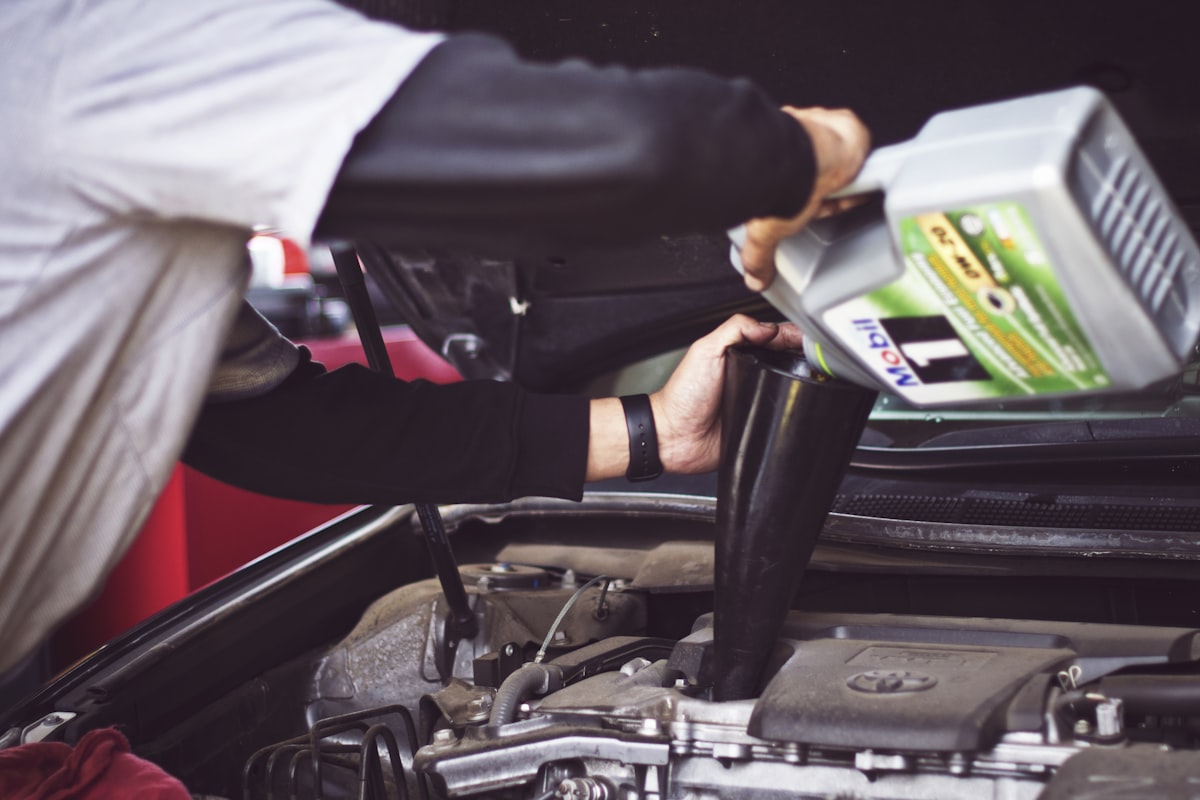
Visually scan for major leaks, damp spots, or pooling fluid. Check oil level and condition. Check coolant level. Look for fluid trails under hoses. Inspect visible belts for cracks or fraying. Look for visible cracks in radiator hoses. Check battery terminals for corrosion. Assess overall engine cleanliness.
Section 3: Interior Inspection (5 Minutes)
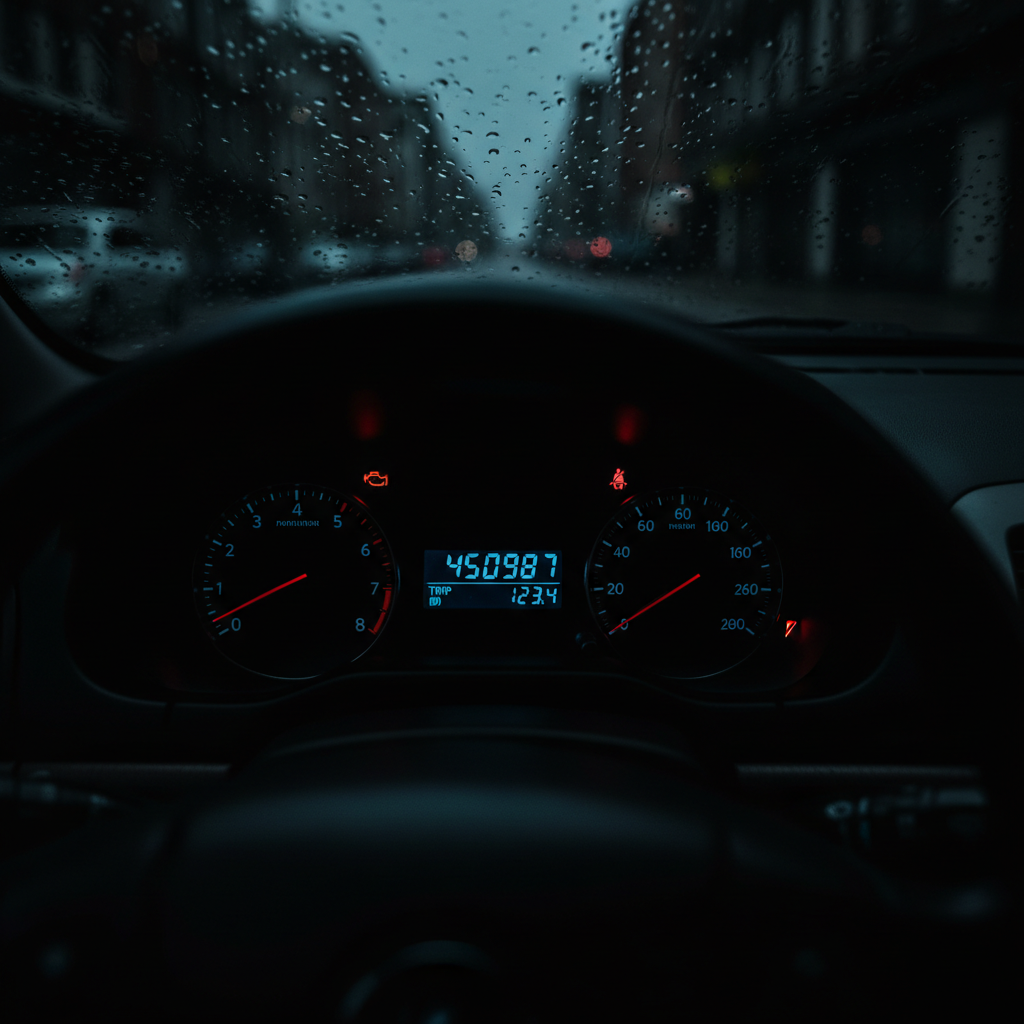
Record the odometer reading and compare it to your VIN report. Look for signs the instrument cluster was removed. Check seats for tears, stains, or excessive wear. Look for staining on door panels, carpets, or seat cushions indicating water immersion. Check dashboard for cracks or damage. Test climate control, window switches, and seat adjusters. Check for persistent warning lights. Smell for musty, moldy, burning, or rotten egg odors. Check air vents for mud or sediment.
Section 4: Test Drive (20 Minutes)
Listen for grinding, knocking, or squealing sounds when starting. Watch the temperature gauge. Look for white, blue, or black smoke from exhaust. Test gentle braking in a parking lot. Test steering responsiveness. Accelerate to highway speed and assess smoothness. Test braking at highway speed. Check for pulling to one side. Note any vibrations. Test climate control. Check for new warning lights.
Section 5: Final Assessment
After the test drive, feel the engine temperature. Check underneath for fresh leaks. Listen for cooling sounds. Schedule a professional mechanic inspection if everything checks out.
Red Flags That Should Stop the Sale
Walk away if you encounter: Inconsistent odometer reading vs. VIN report history, major collision damage signs, significant fluid leaks, persistent warning lights, severe rust or corrosion, spongy or soft brakes, transmission hesitation or jerking, or signs of flood damage.
Conclusion
A systematic 20-minute inspection combined with a VINCheck USA report puts you in control. You'll spot major problems before they cost money and drive away confident in your purchase.